1. Extract
Pulled the first twenty seconds of the source film and ran a scene-change detector over it. Twelve transitions, nine canonical rooms after deduping.
A Study In Real Estate Image Direction
We took the first twenty seconds of a polished real estate film, pulled a frame at every scene change, removed every person from every shot, and restyled each one as a raw iPhone listing photo. Same house. Two completely different jobs for the image to do.
The point isn't that one looks better. It's that the brief decides the aesthetic. Lifestyle film sells a story. A listing photo sells a floor plan. We rebuilt the second from the first to show how far direction shifts the read.
Three steps. The whole thing ran in about ten minutes of compute.
Pulled the first twenty seconds of the source film and ran a scene-change detector over it. Twelve transitions, nine canonical rooms after deduping.
Wrote a tight prompt per frame: remove every person and prop, hold the architecture and furniture, restyle as a handheld iPhone listing snapshot with flat ambient light.
Ran each frame through an image-to-image model with the reference attached. Nine outputs, 16:9, ready to drop into a listing gallery.
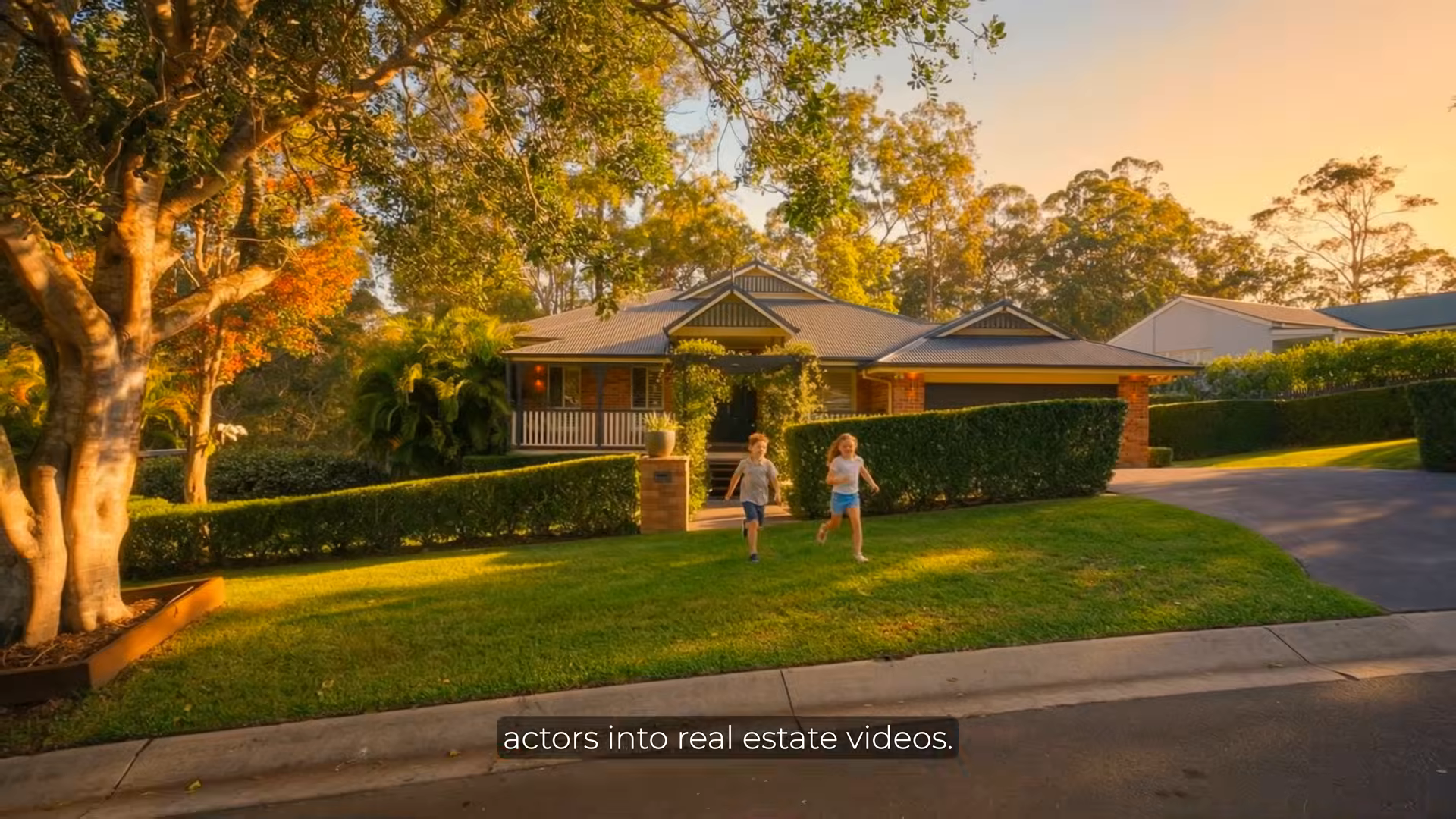
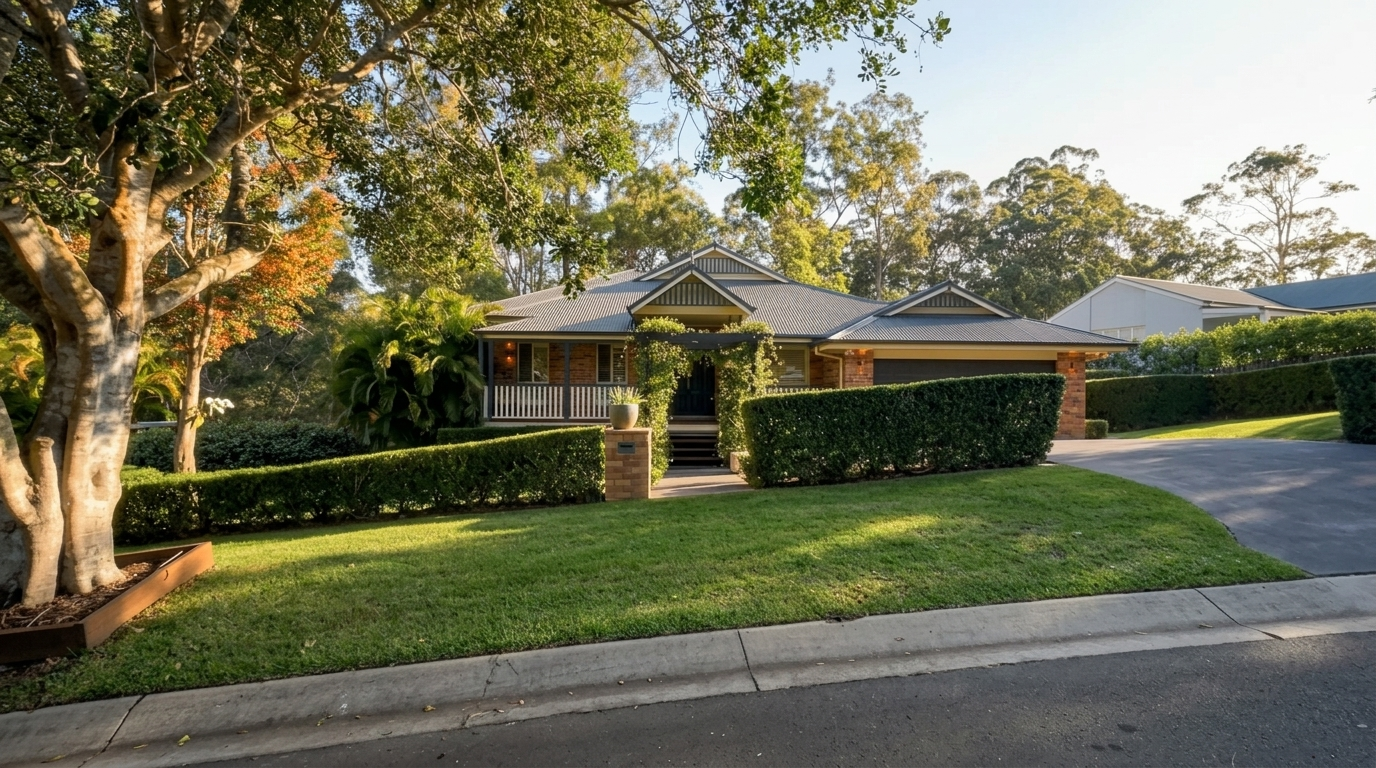
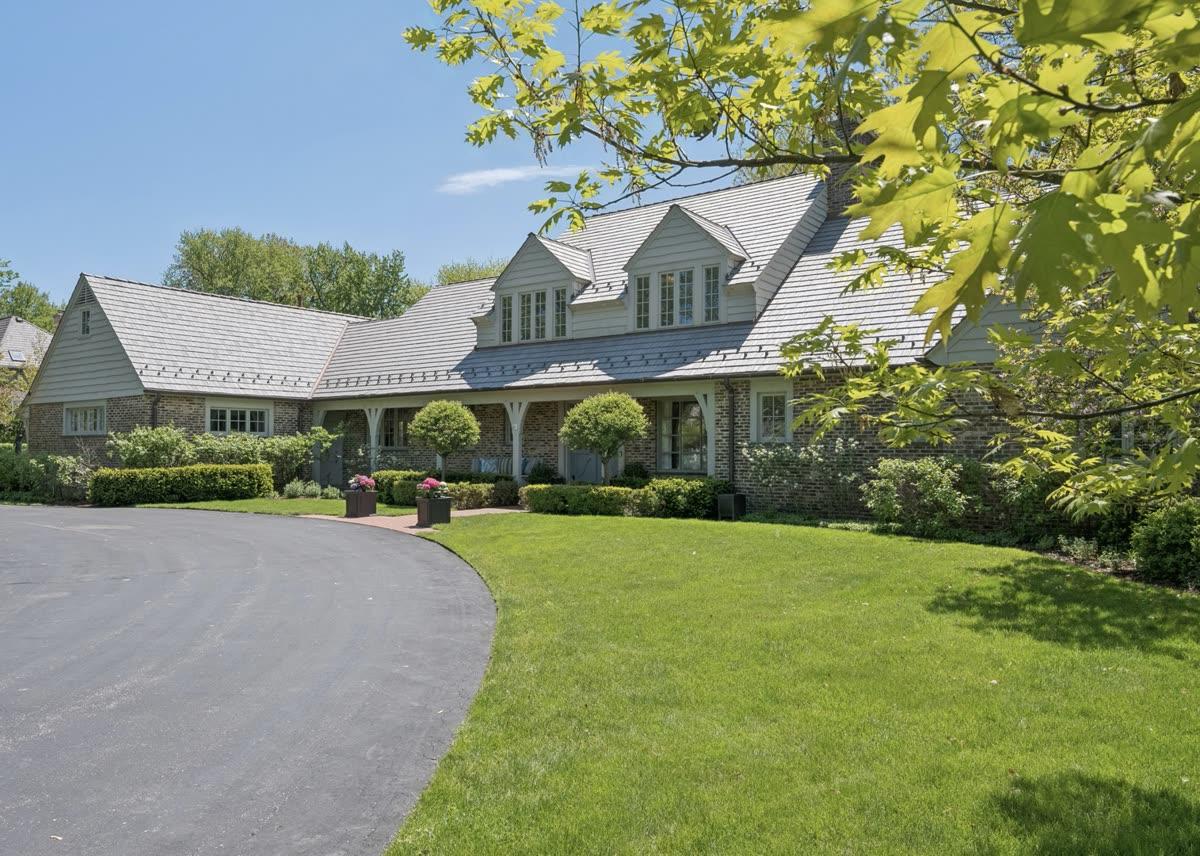
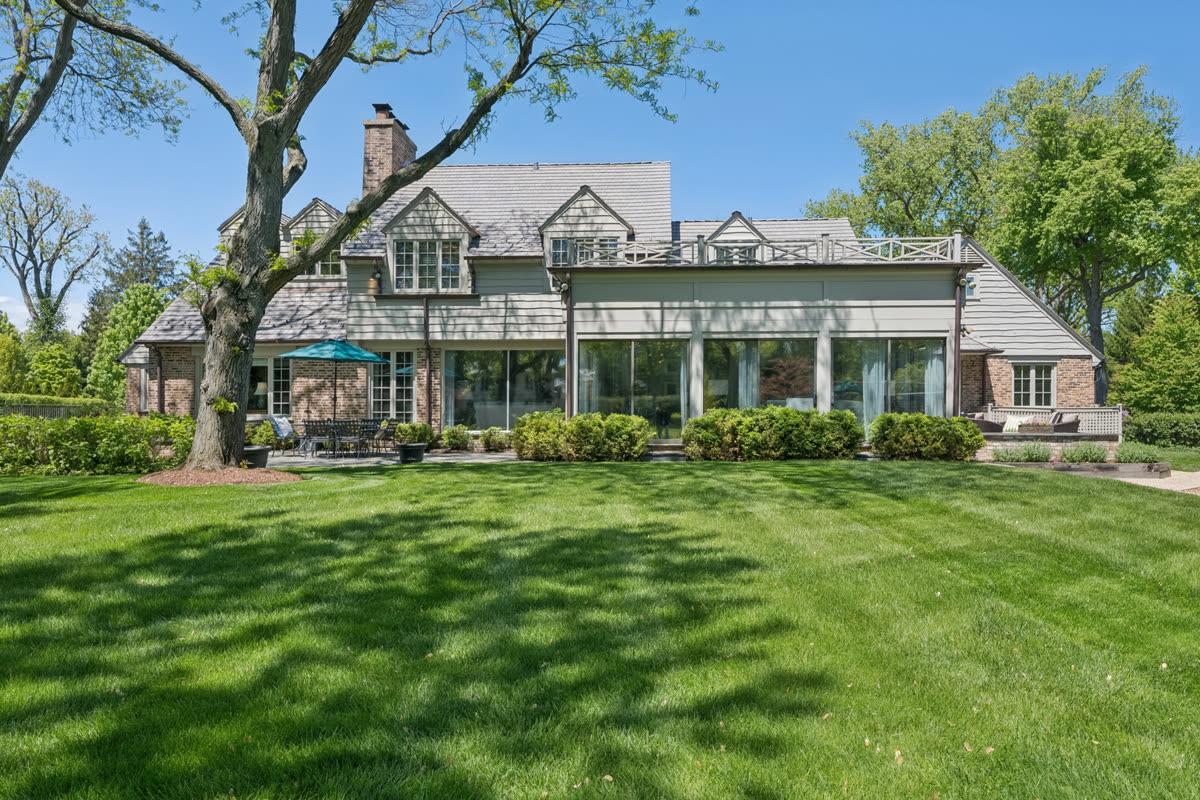
Source frame staged with kids running on the lawn. Restyled to a clean street-level approach — the house at golden hour, hedges trimmed, no people in frame.
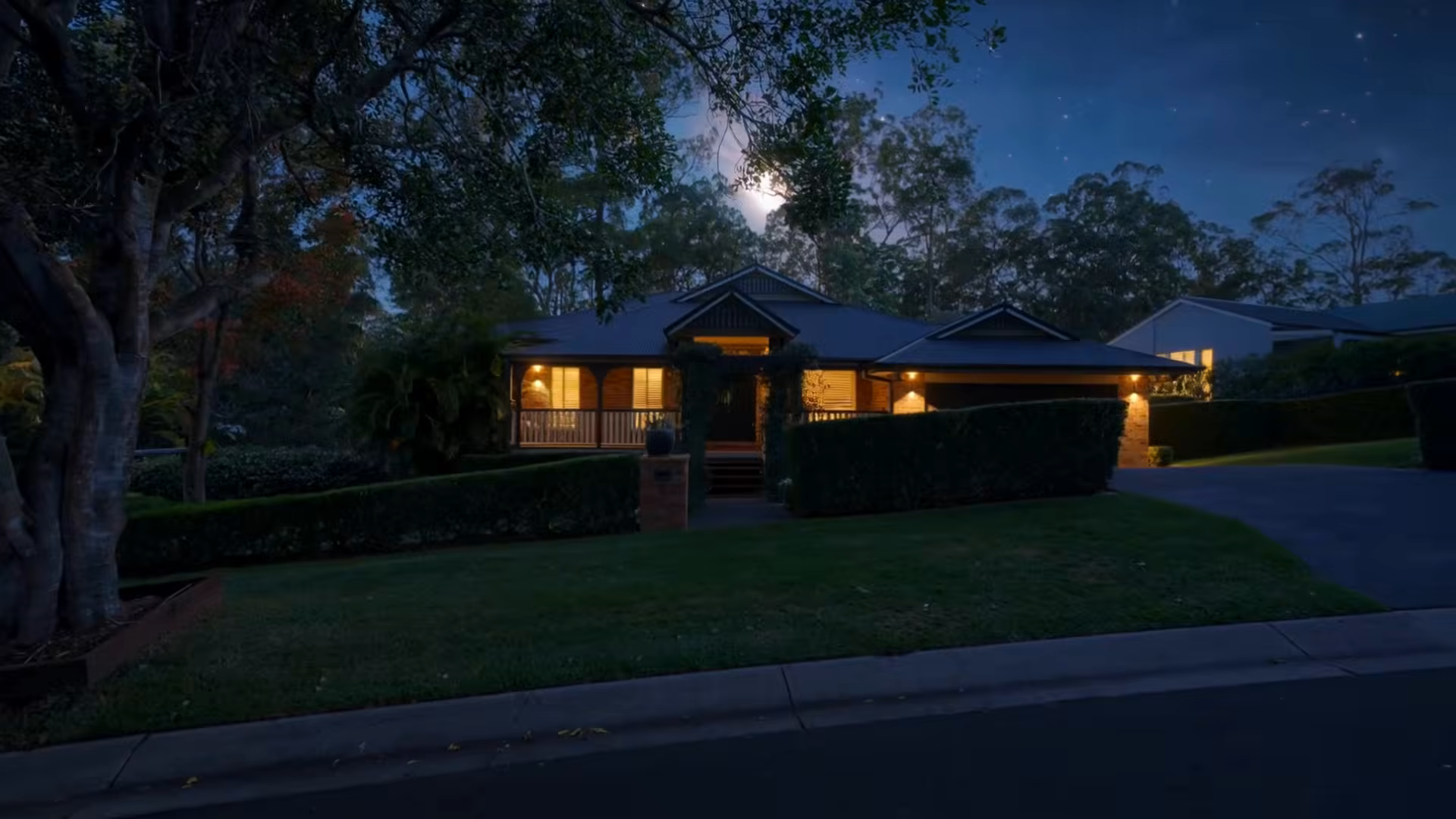
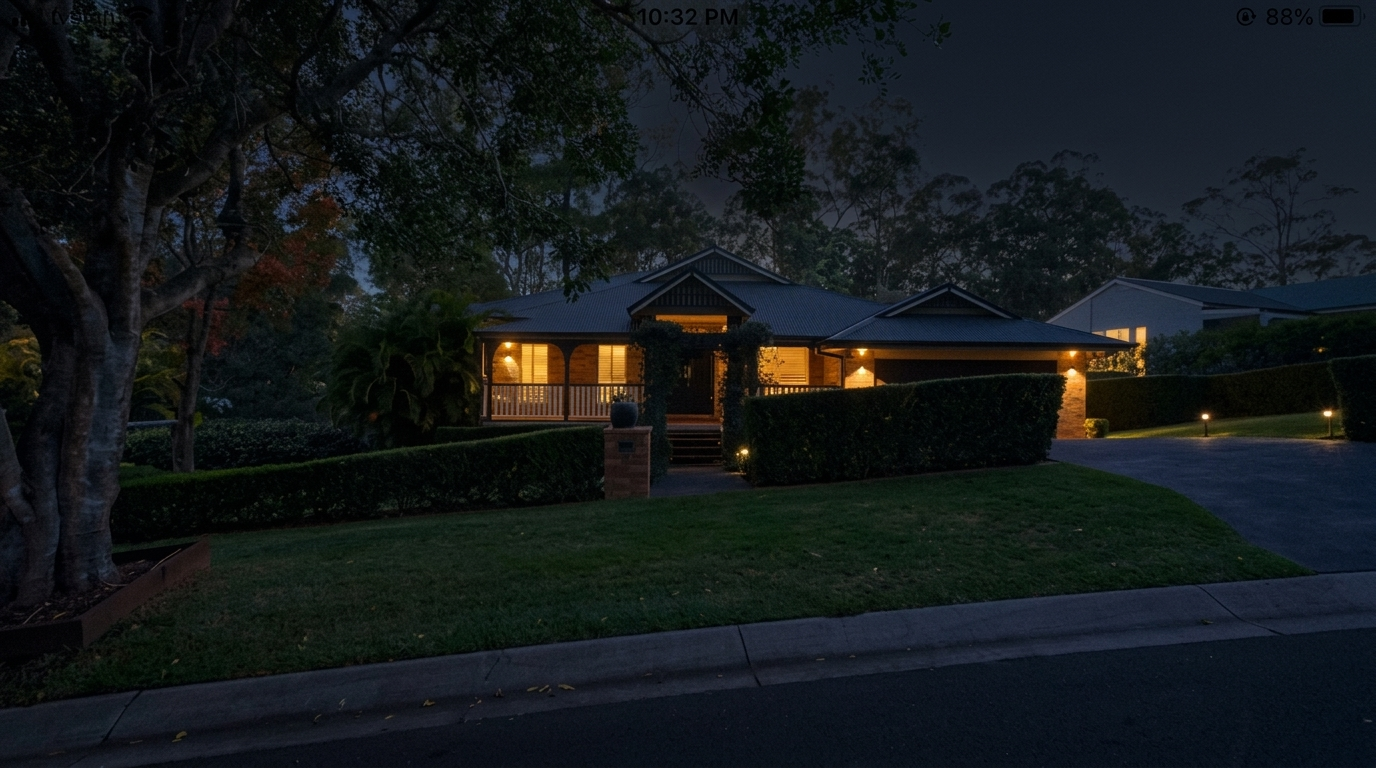
Same house at night. The film leans cinematic with practical lights and atmosphere. The listing version is flatter, evenly lit, easier to read at thumbnail size.
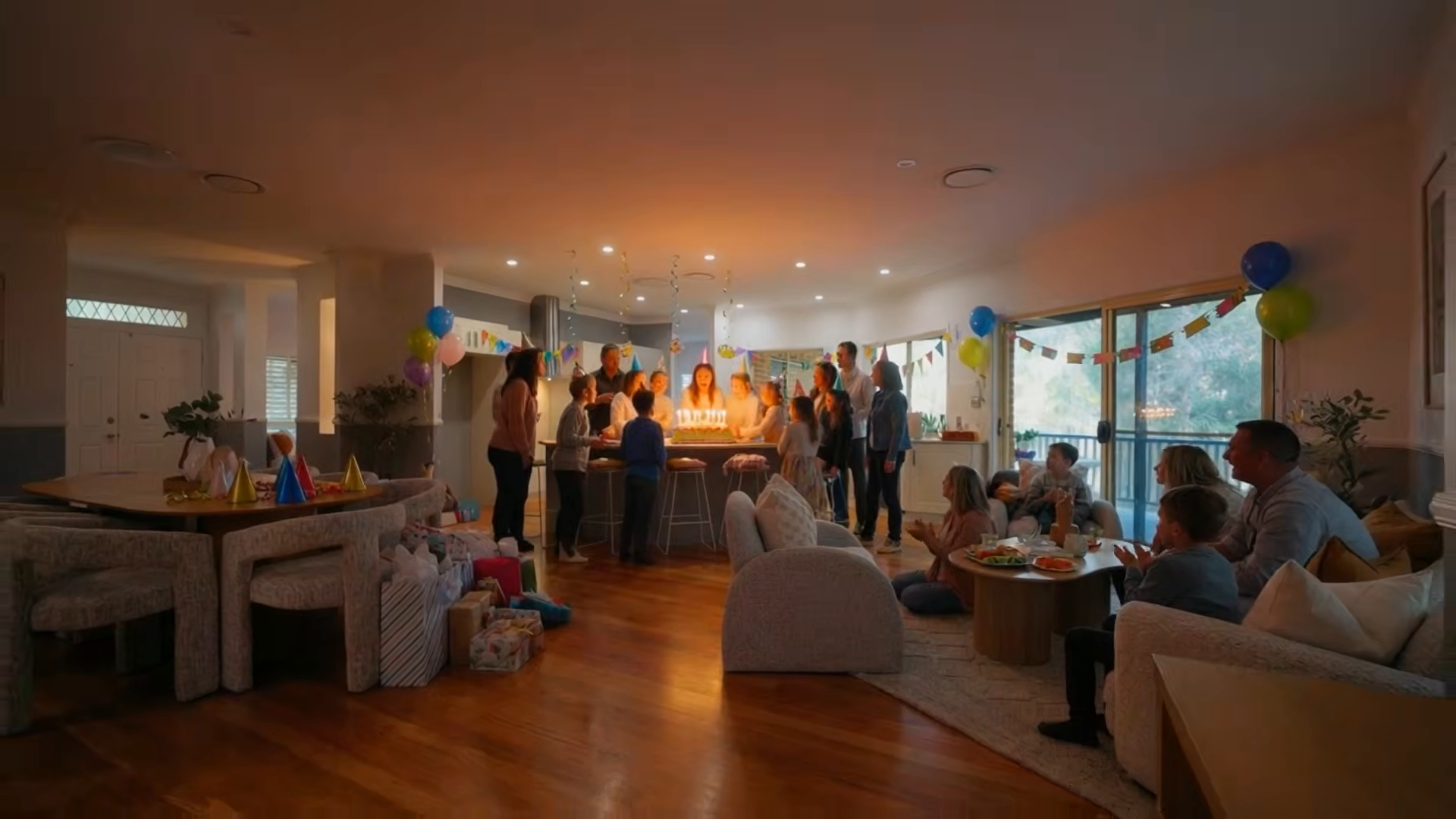
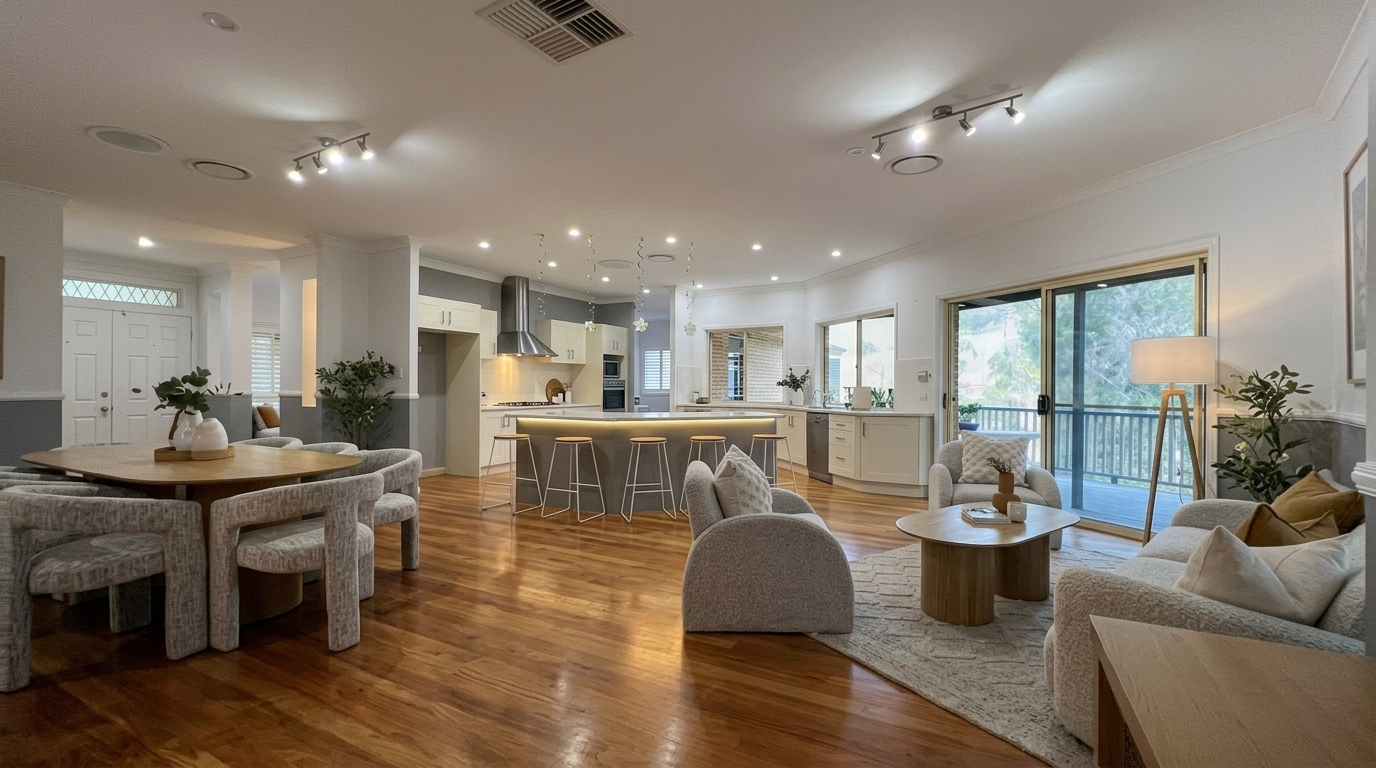
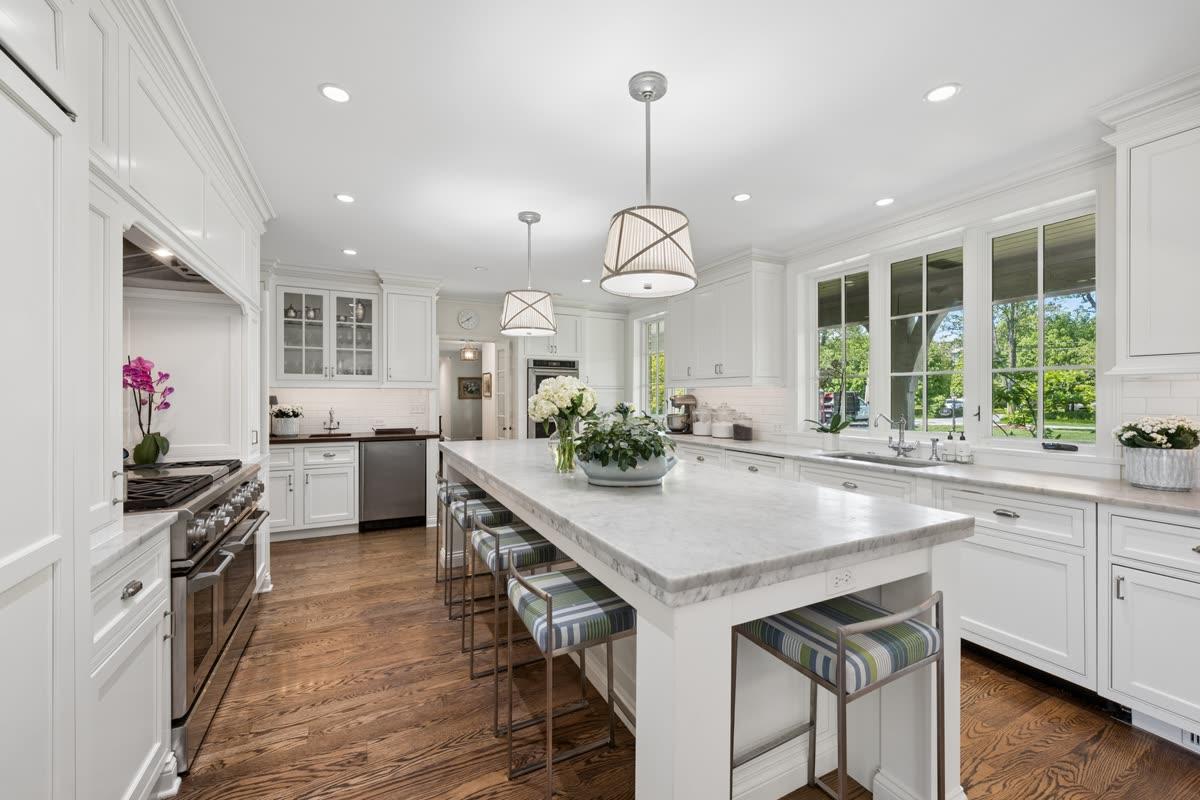
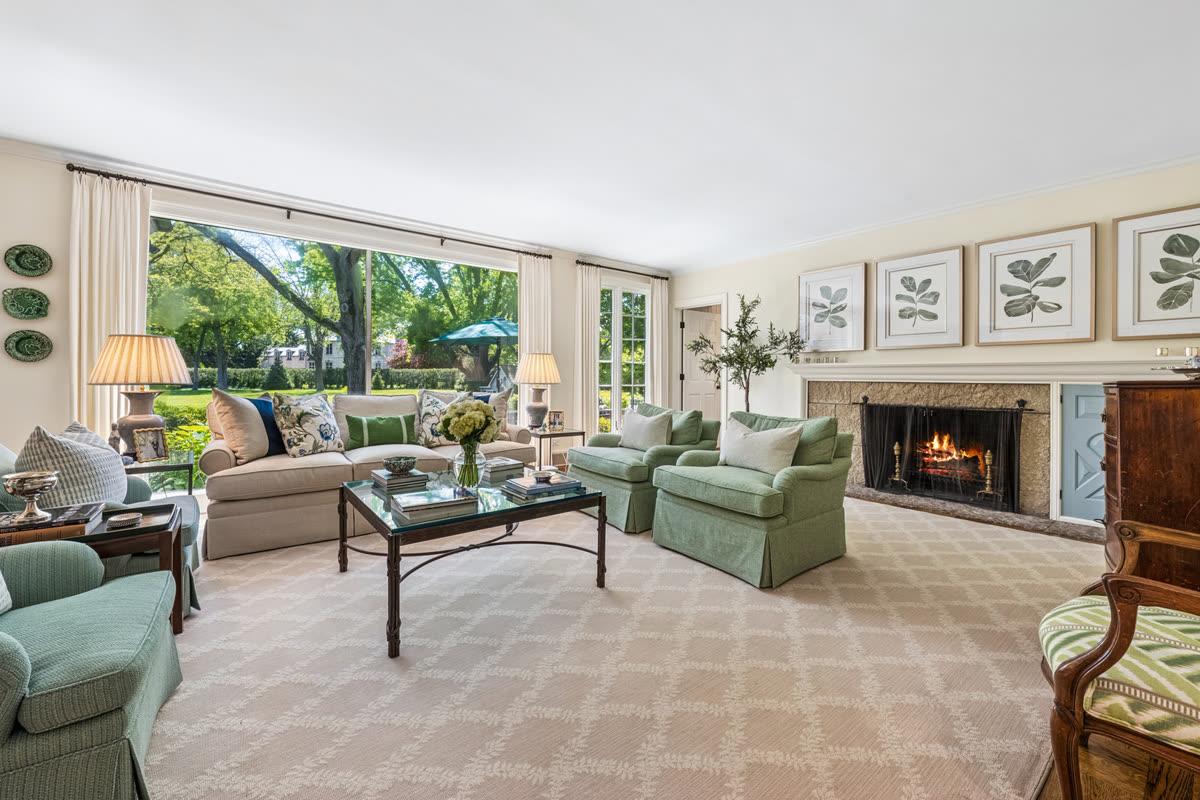
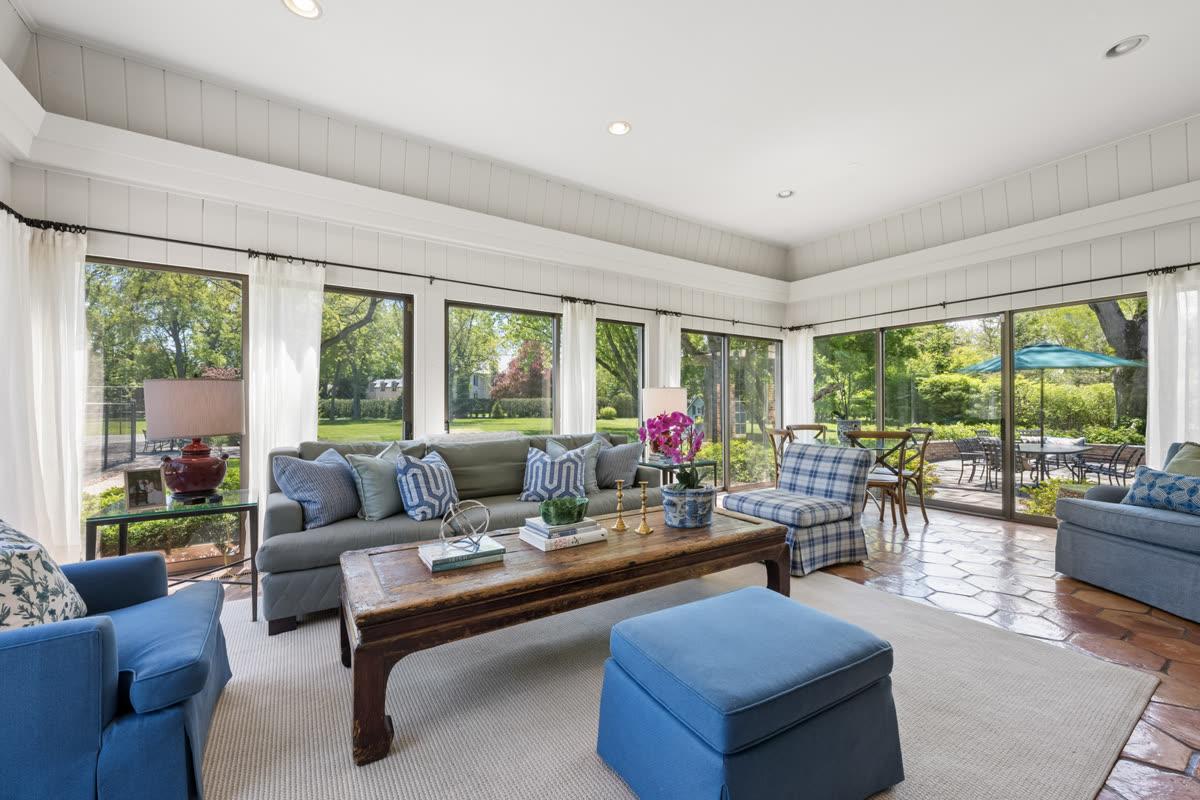
Source frame is a party scene — crowd, balloons, bunting. Restyled into the staged real estate version: empty room, neutral light, kitchen and great room legible in one shot.
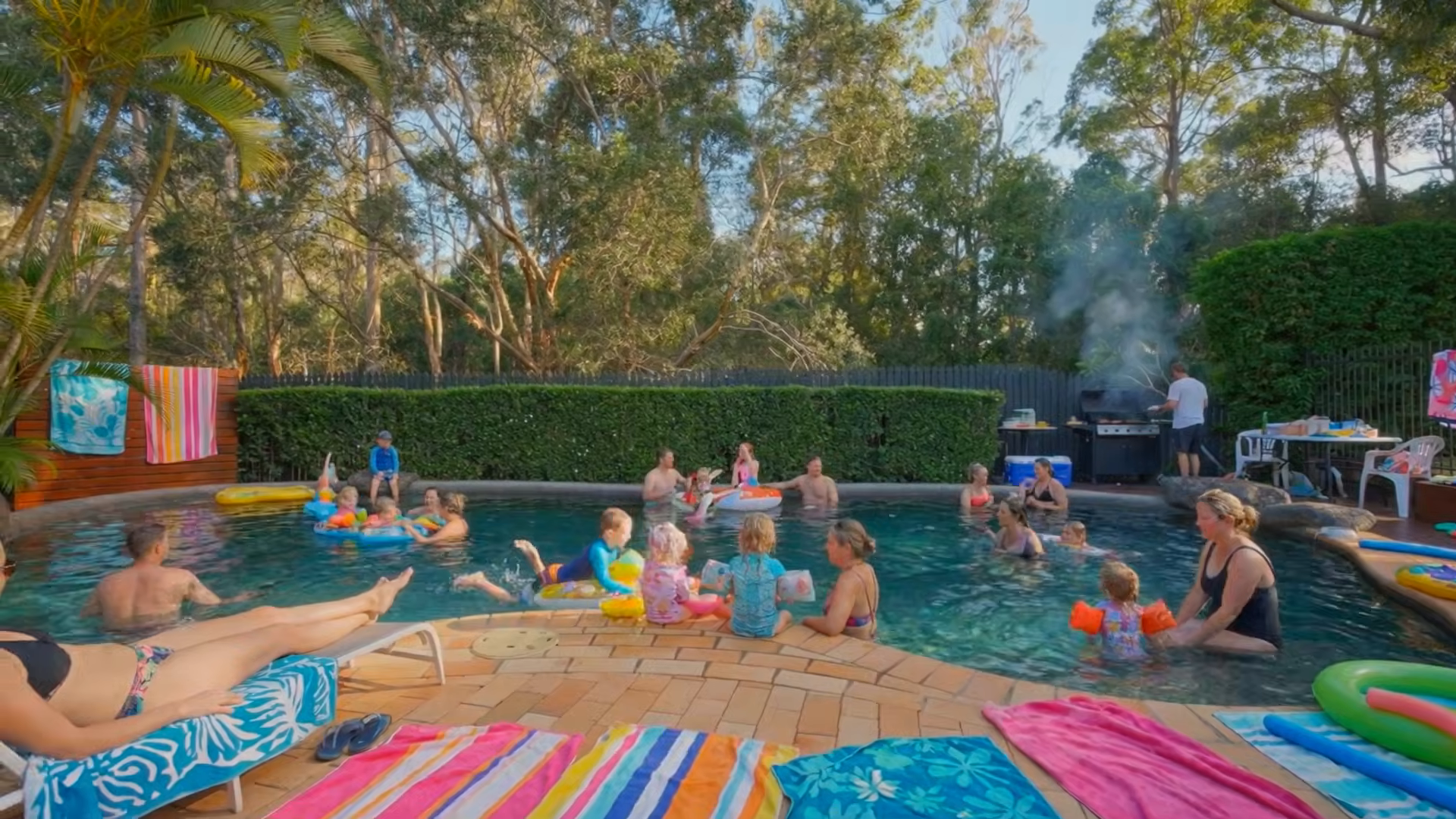
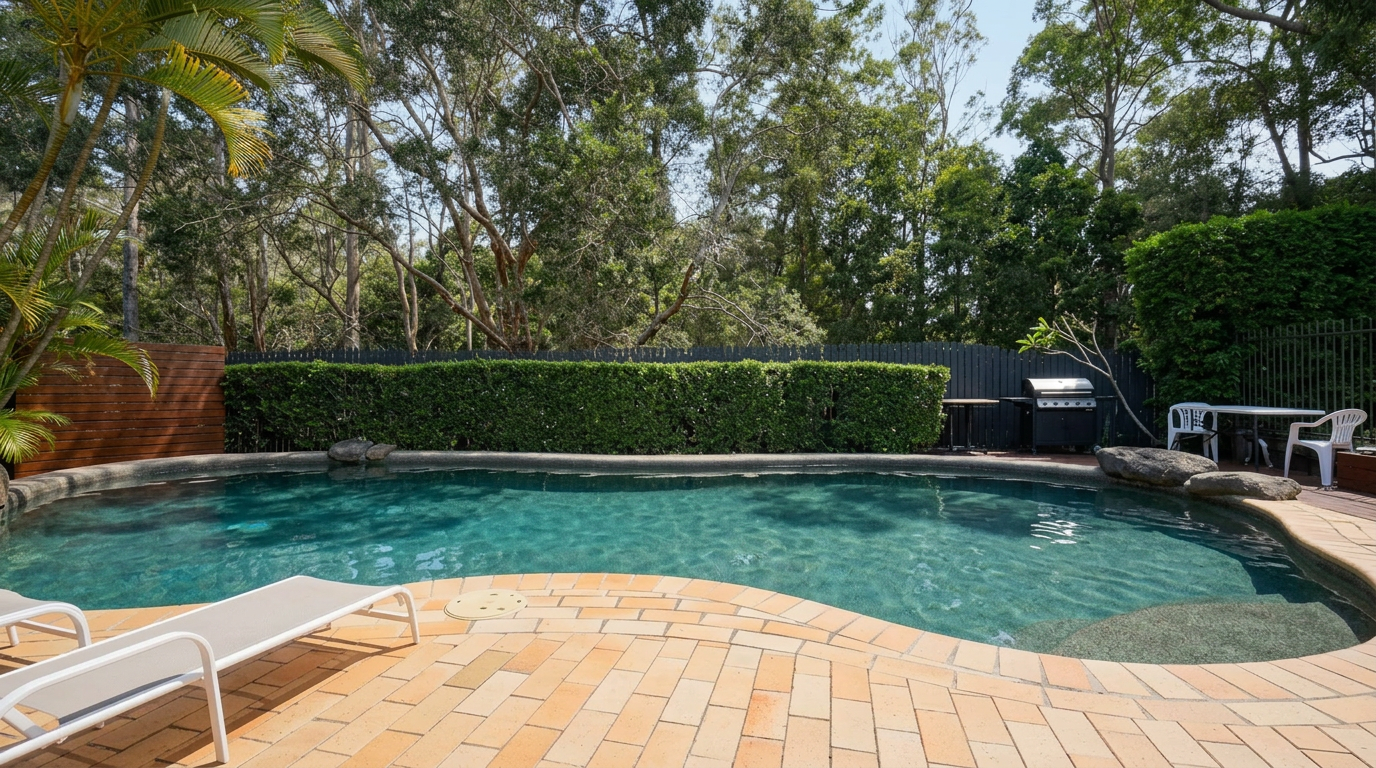
Source frame full of swimmers, BBQ smoke, towels in the foreground. Restyled to a clean poolside shot — water, decking, fence line, plant border.
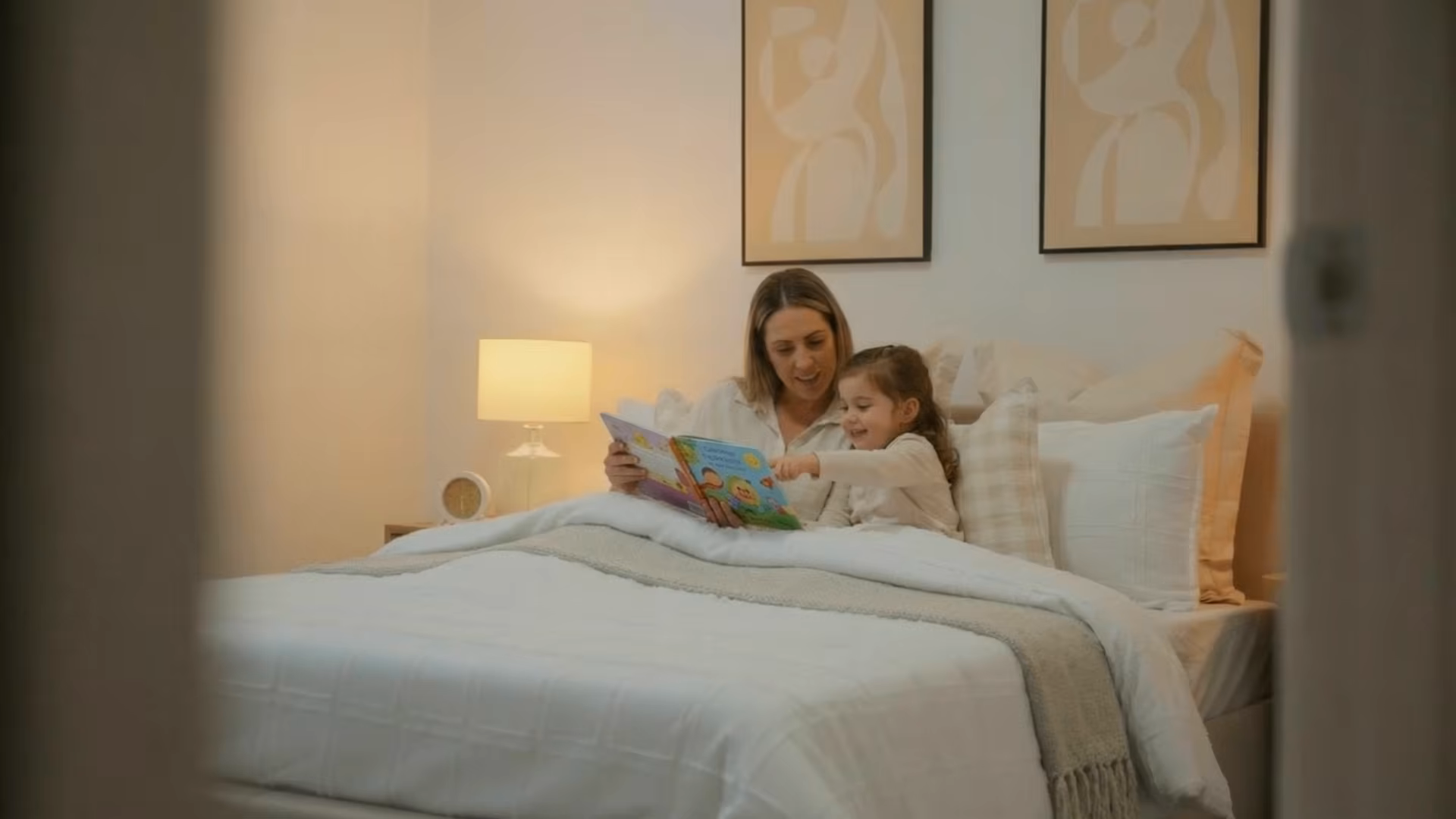
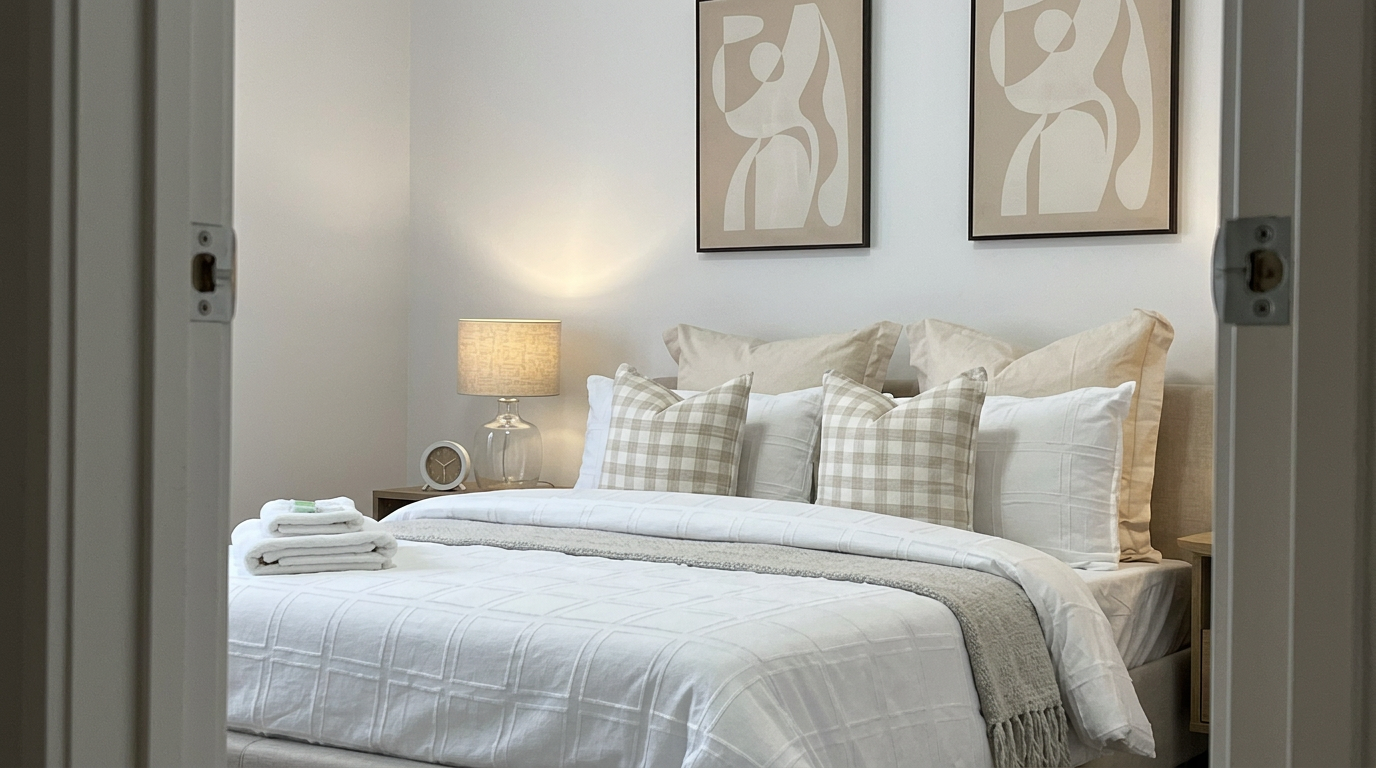
Source frame has a parent reading to a child on the bed. The listing version reads as a furnished but empty staged room — typical realtor framing.
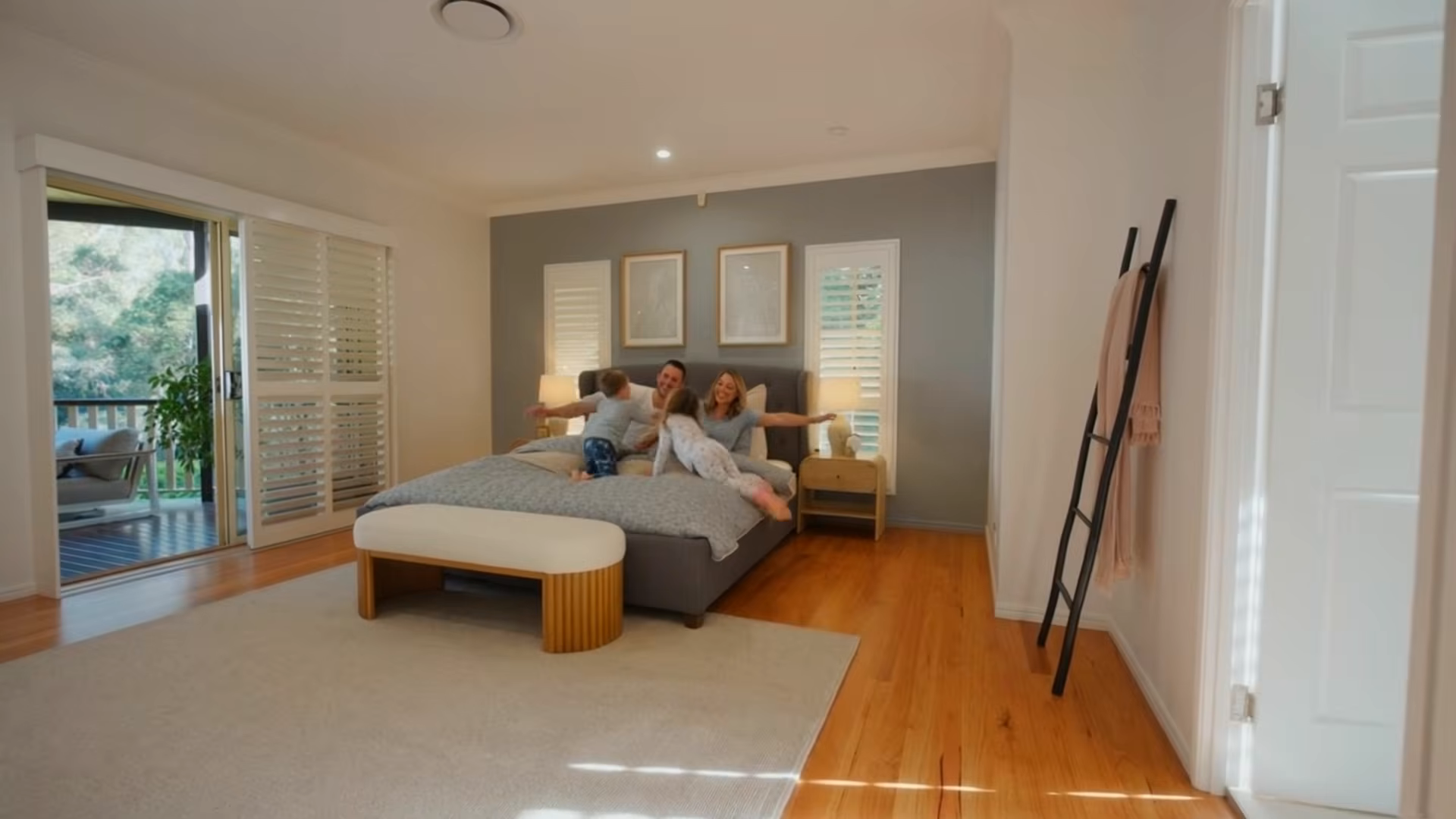
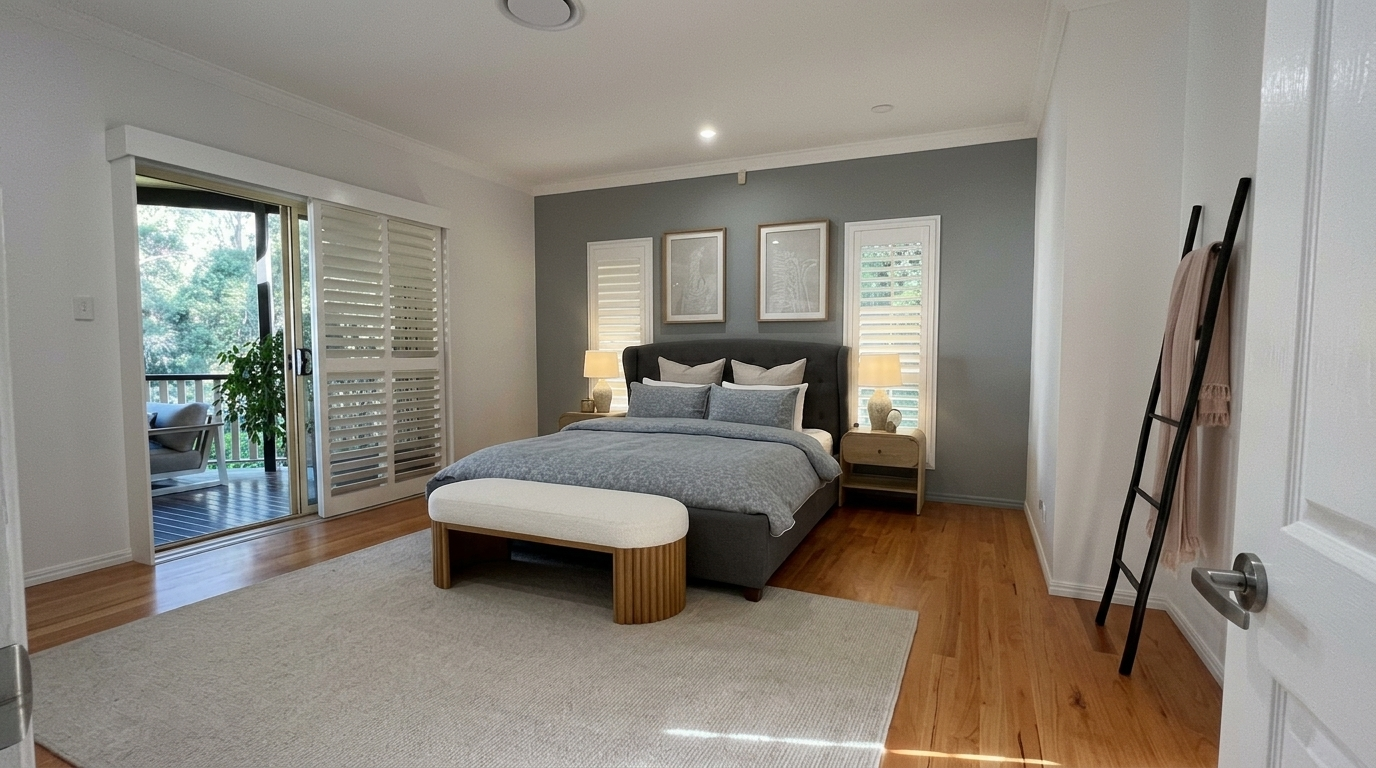
Source frame stages a couple on the bed. The listing pull is the room itself — bed centered, side tables, daylight from the slider.
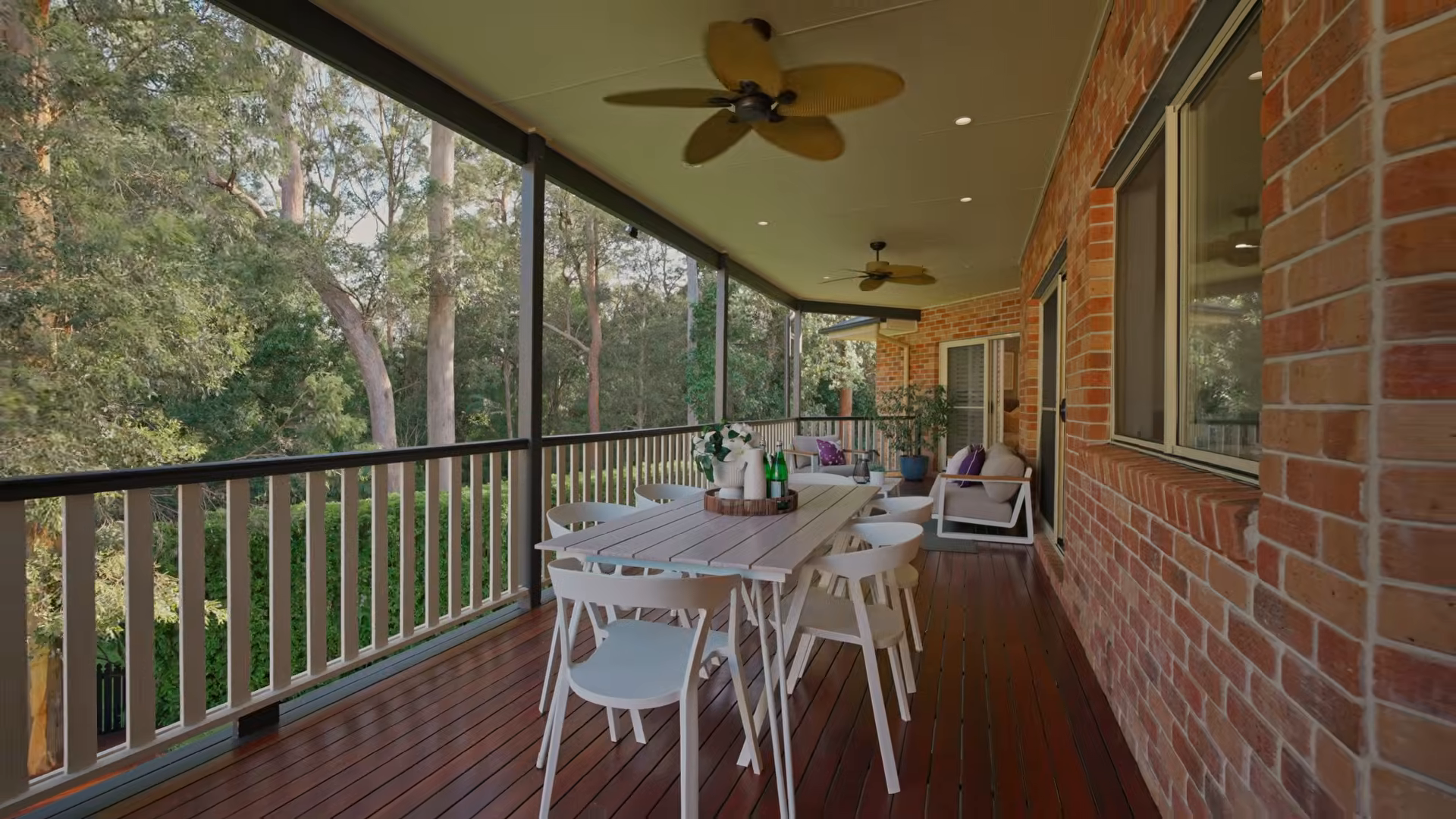
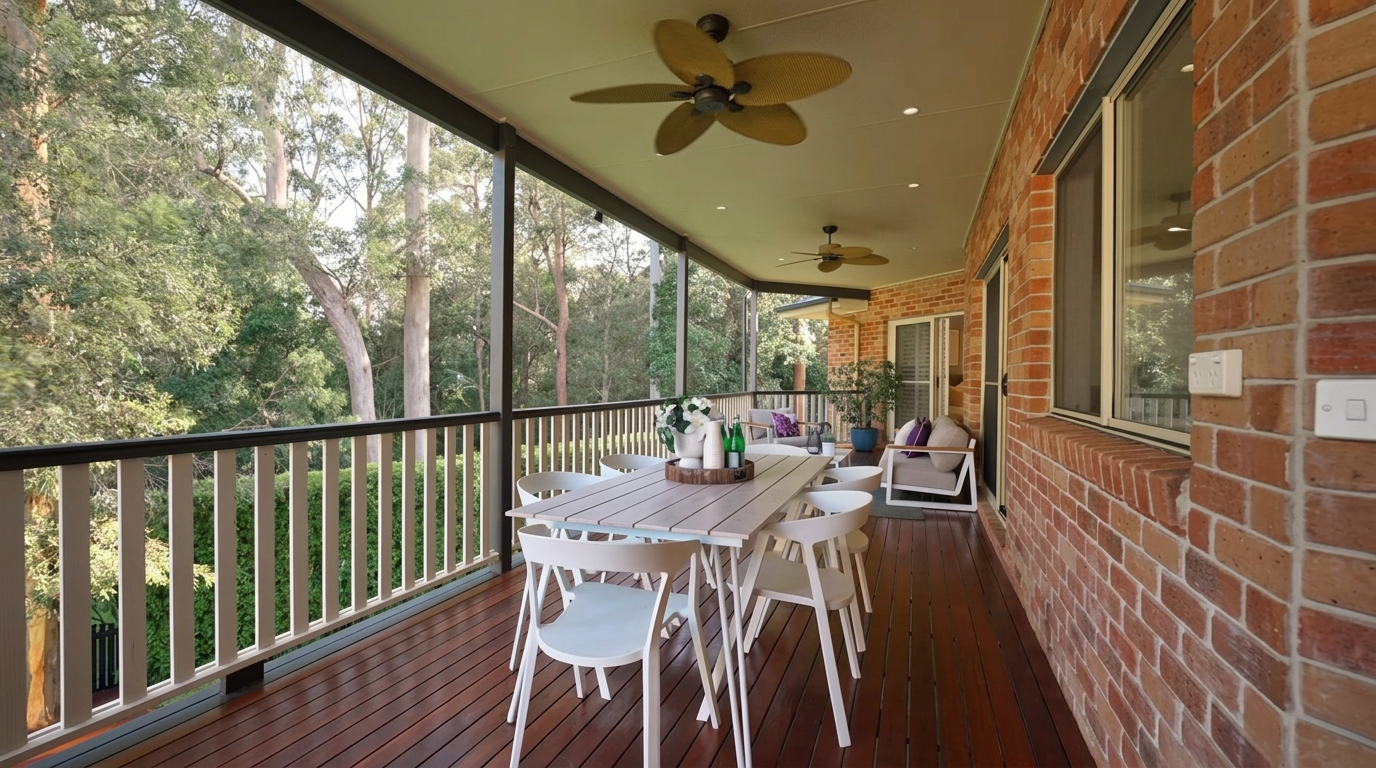
Source frame was already close to a listing photo. Restyle keeps furniture, drops the cinematic grade, lands the flatter ambient light a phone would capture.
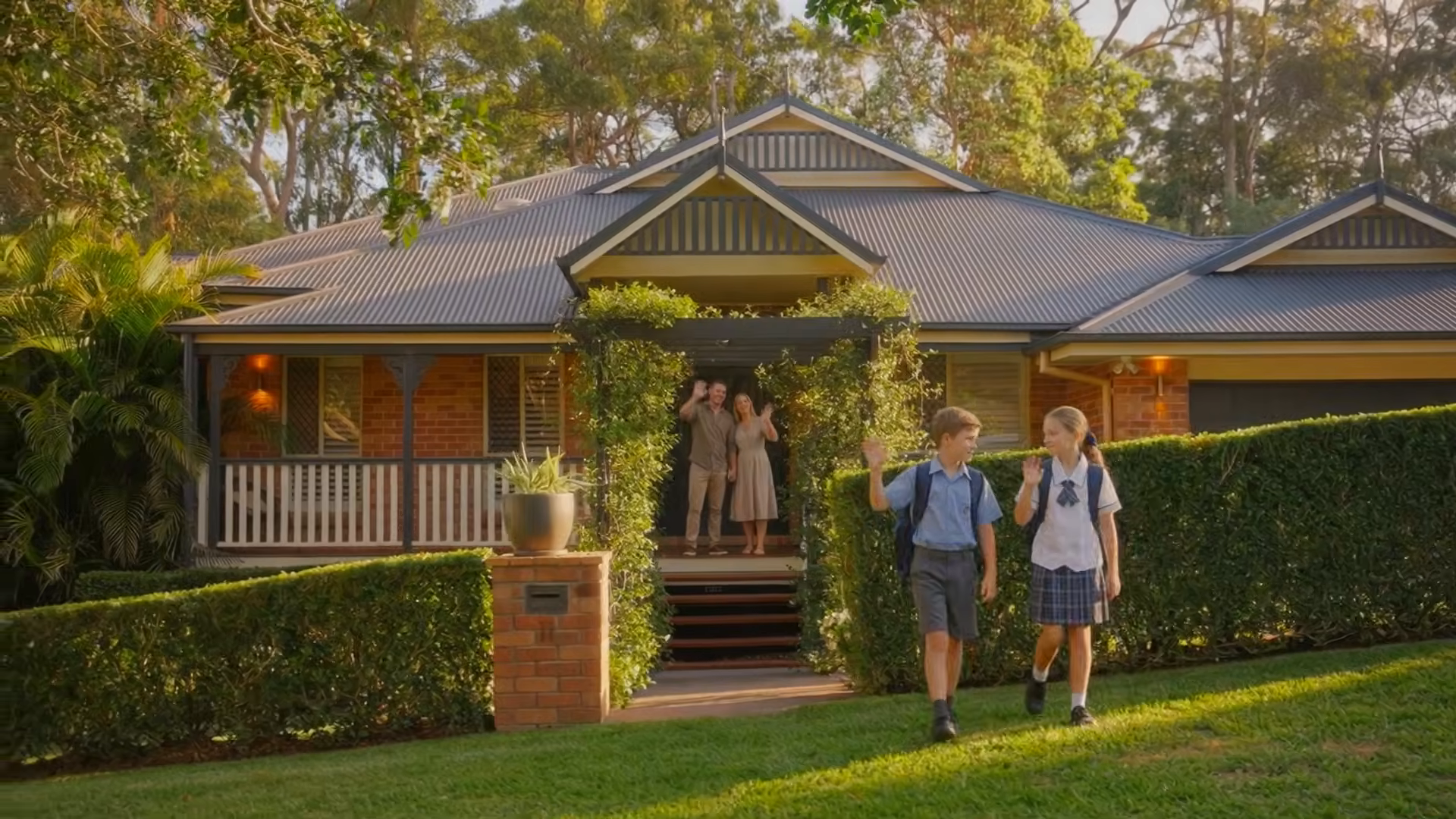
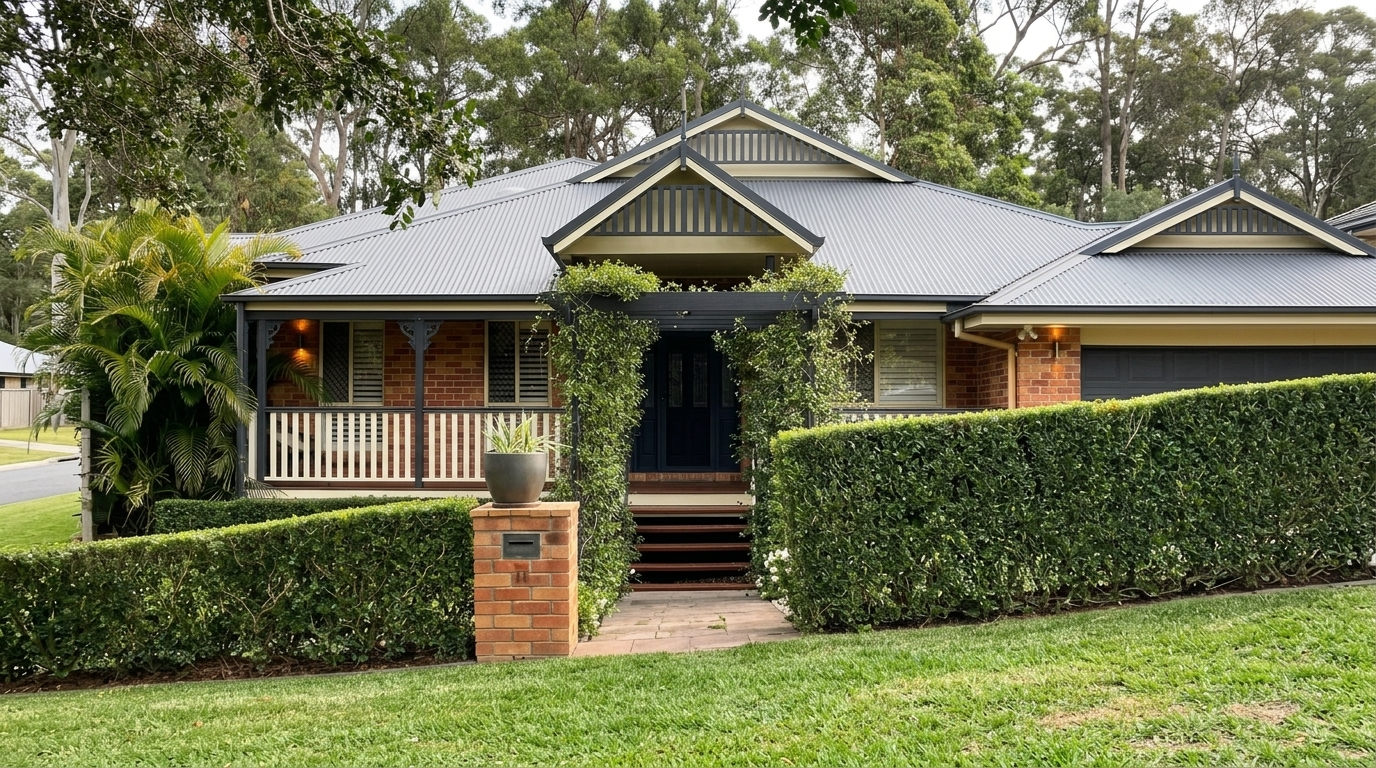
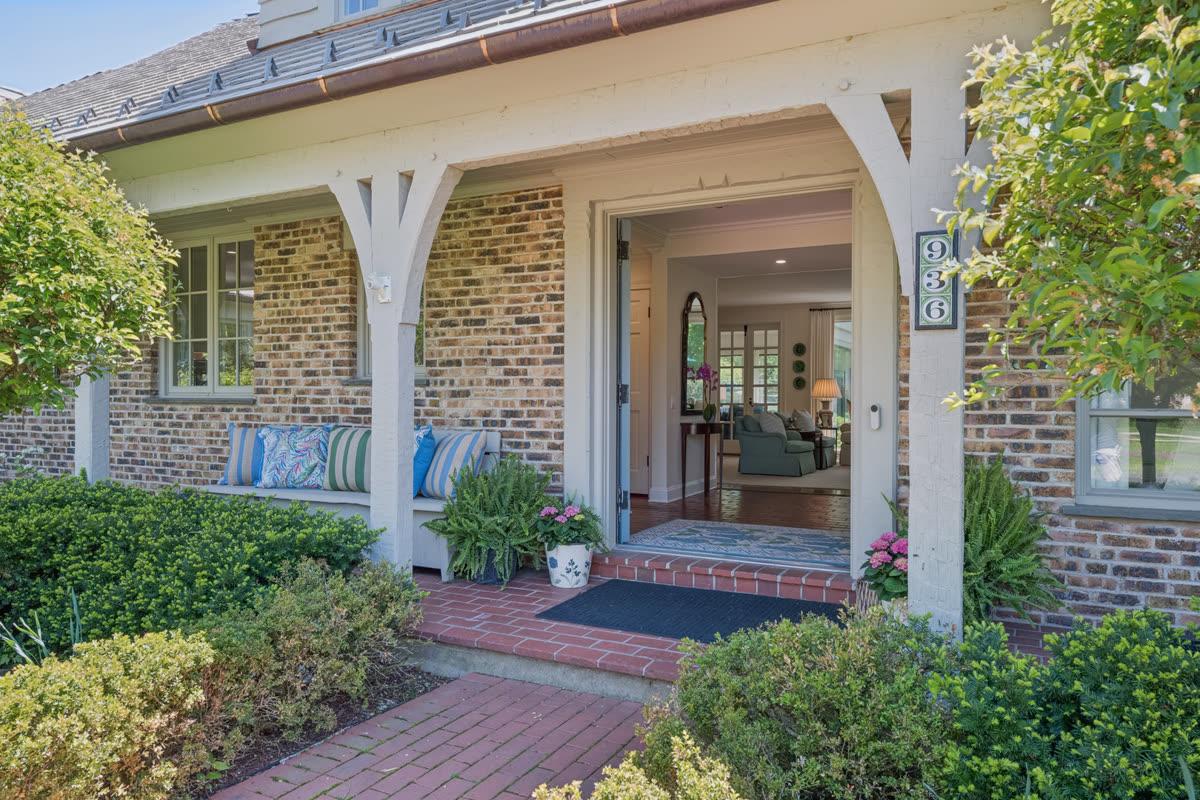
Source frame has school kids and a family on the porch. Restyle pulls the house forward, removes the people, keeps the symmetry of the entry.
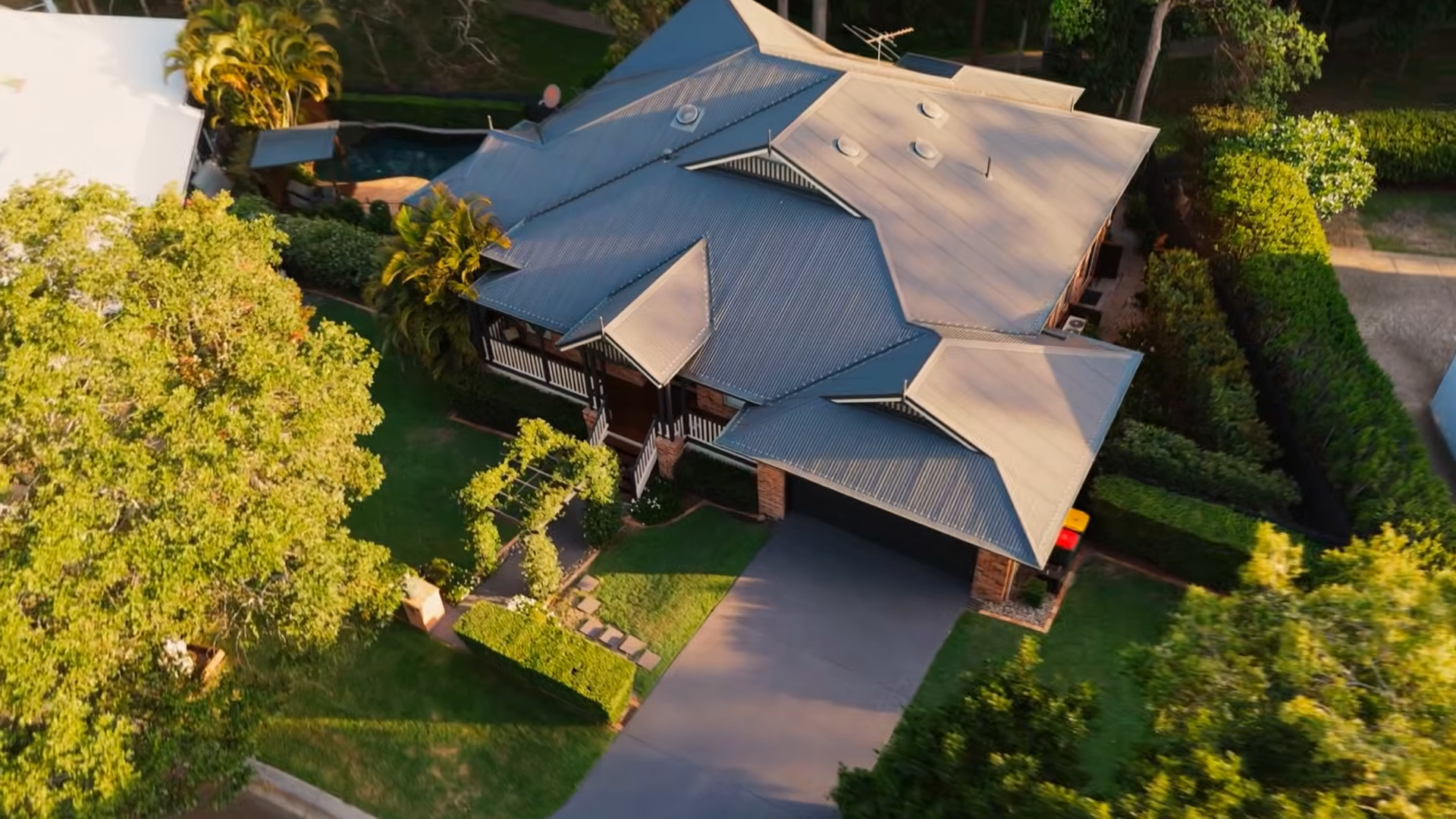
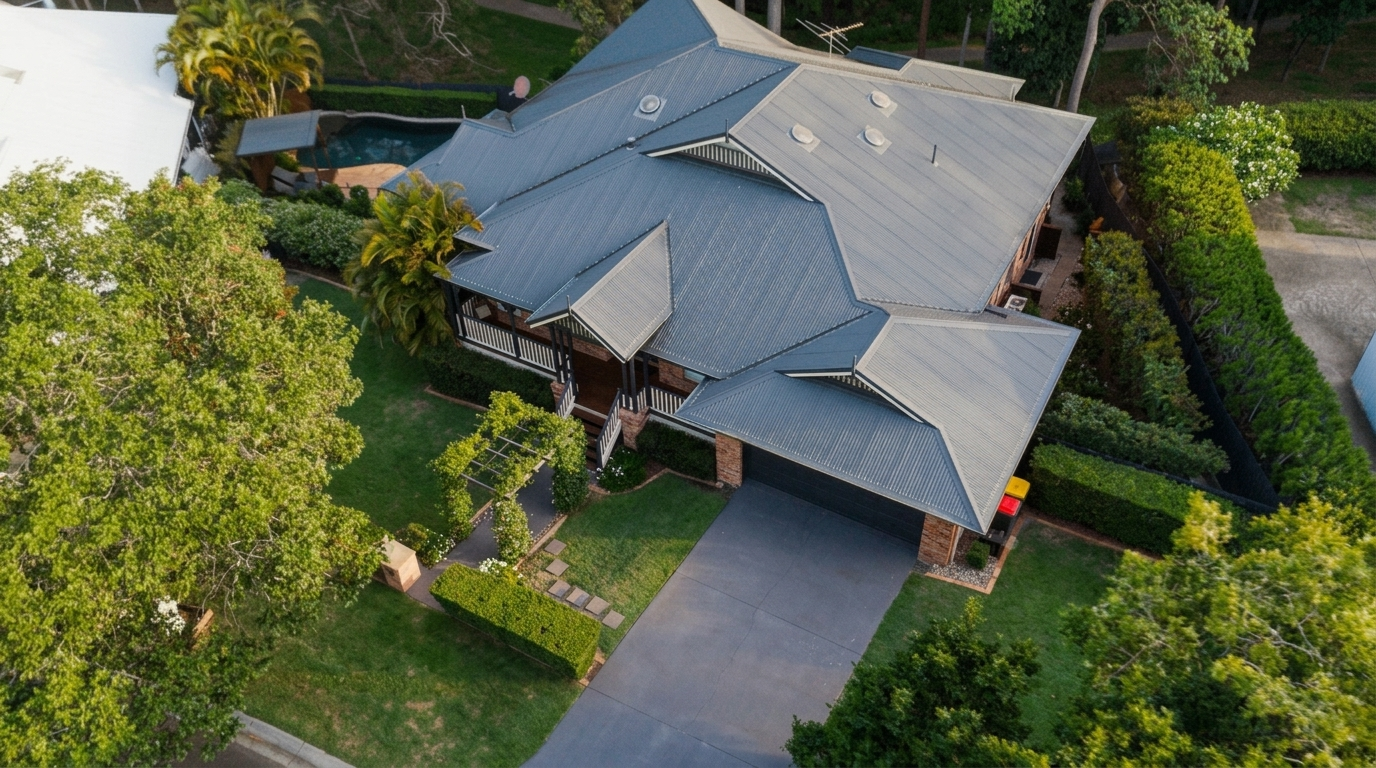
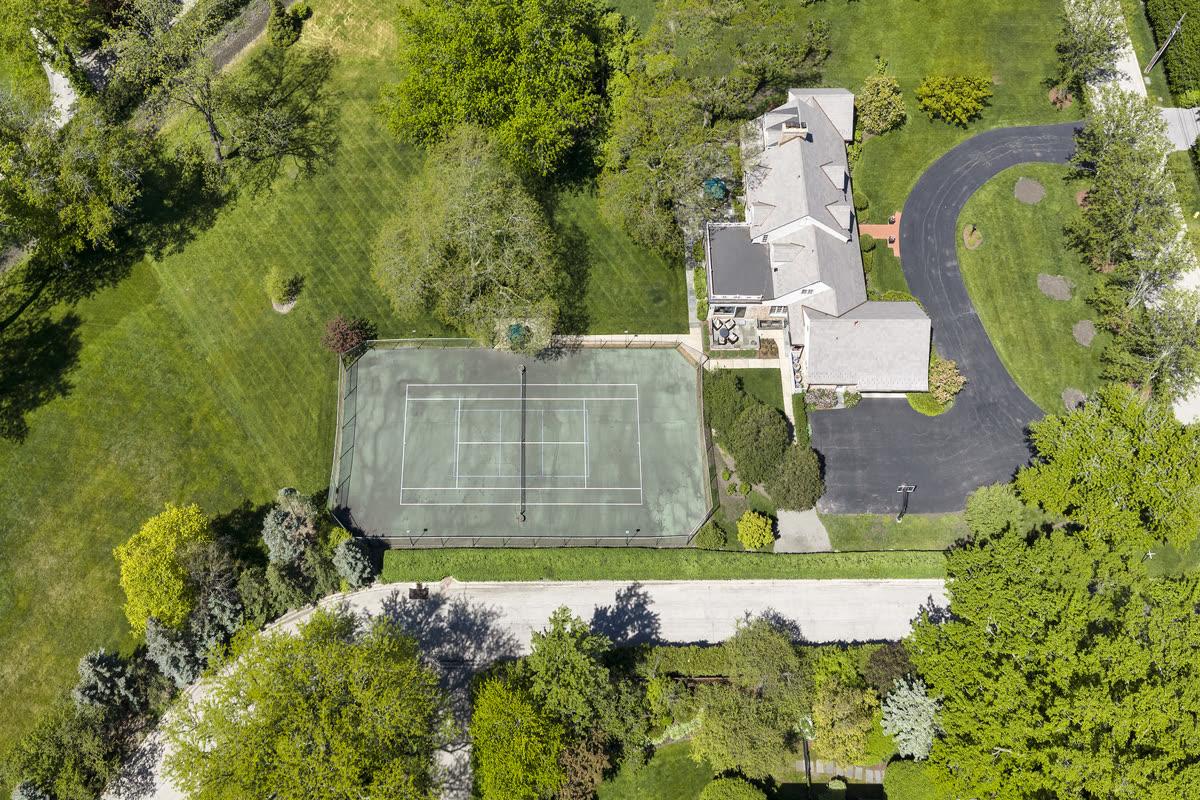
Drone pass over the roof. No people to remove — this one is a pure look transfer: cinematic grade out, raw daylight in.
A buyer wants to picture themselves in the space. A film with someone else's family in it works against that. Listing galleries get cleared of human content for a reason.
The film leans warm, contrasty, atmospheric. Beautiful for a reel, rough for a thumbnail. Flat ambient light shows the room. Both are correct — for different jobs.
A reel for the algorithm. A listing gallery for the search. The modern listing brand ships both from one shoot — and now, with models like these, can fill the gaps in post.
Bonus Study
Same playbook, different output. Real estate agent Jena Randay. One character reference and eight estate references in. Two finished 15-second reels out — one landscape, one vertical — generated by Seedance from a single tightly written prompt.
No on-location film crew. No drone day. No second shoot for the vertical cut. Refs, prompt, render.
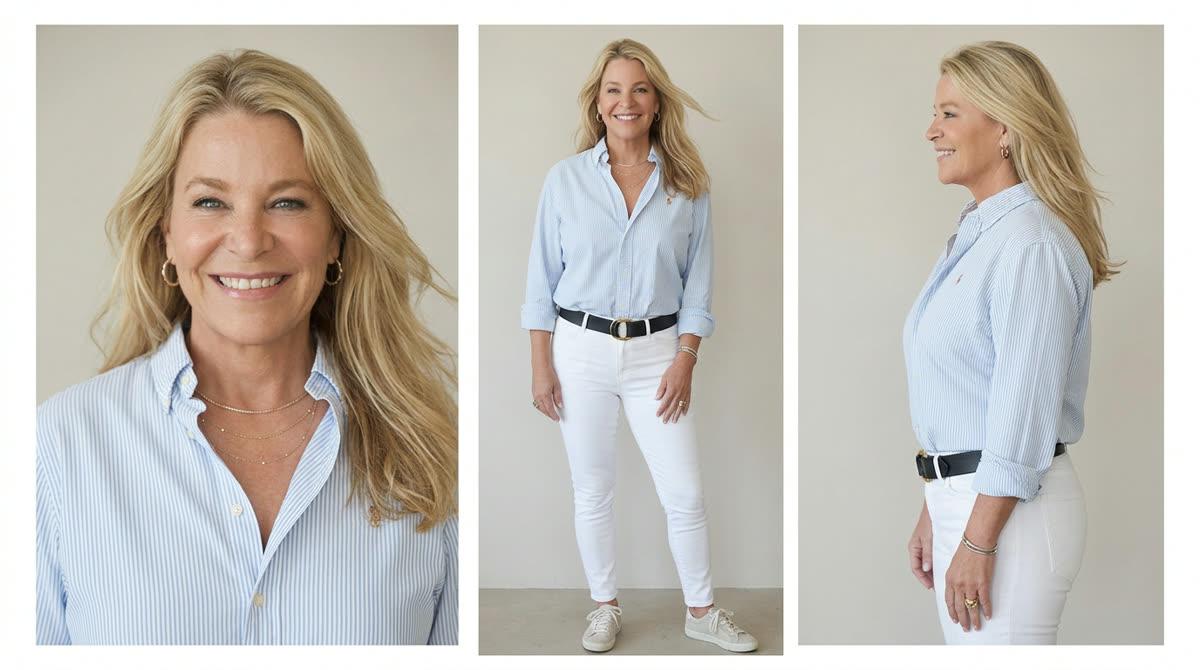
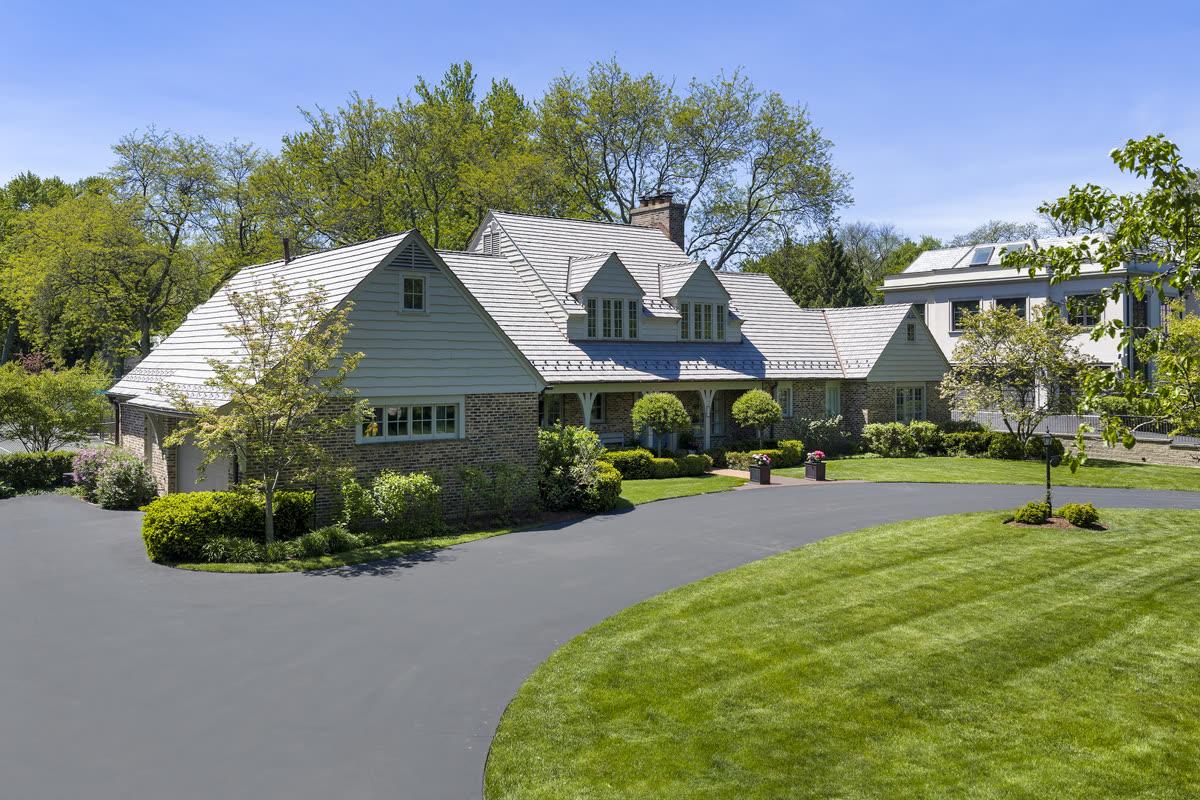
Listing galleries, reels, and a brand hub that makes the agent the authority — not just the lister.